Why today's updates matter
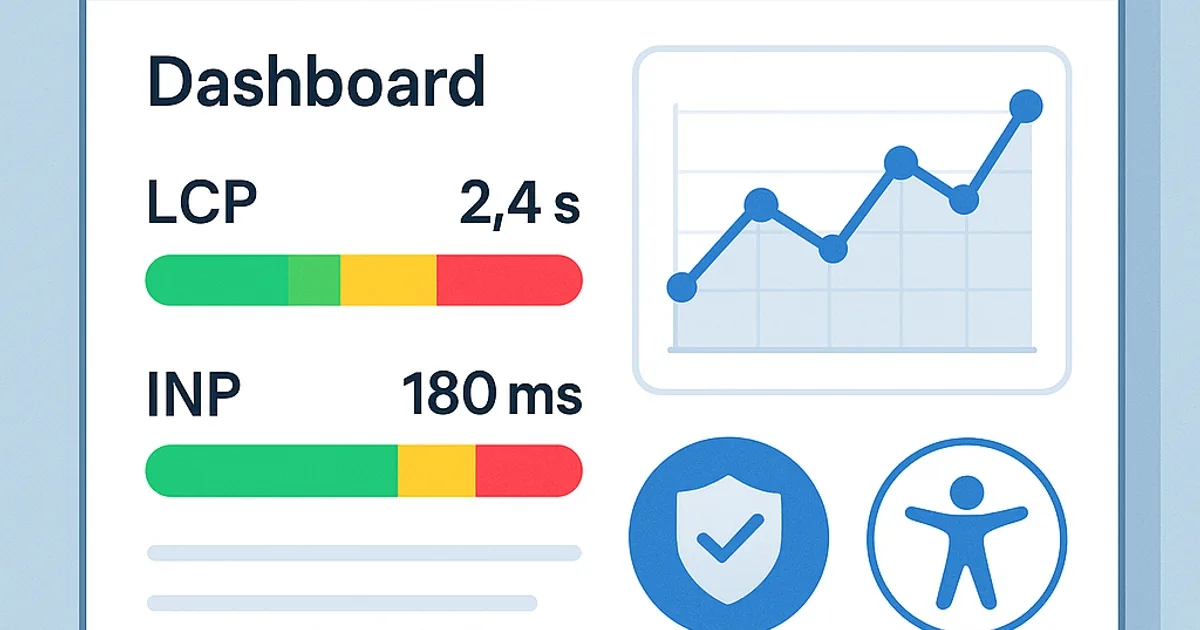
In 2026, staying on top of Core Web Vitals is crucial for ecommerce and SEO teams aiming to maintain a competitive edge. Today's insights highlight key trends in image optimization, SSL practices, and performance strategies that are driving change in the digital landscape. Understanding these shifts is vital for optimizing your web presence.
Image optimization: WebP and AVIF
Image optimization remains a critical component of web performance. The use of modern formats like WebP and AVIF is trending as they offer improvements in load times and visual quality compared to older formats like JPEG and PNG. These formats help reduce file sizes without compromising quality, which is essential for achieving a good Largest Contentful Paint (LCP) score, a key metric in Core Web Vitals [1][6].
What this means for your stack: Incorporate WebP and AVIF formats into your image assets to enhance load times and improve your LCP score.
SSL certificate best practices
Security continues to be a top priority, and SSL certificates play a crucial role in ensuring data integrity and user trust. Current trends emphasize the importance of regularly updating SSL certificates and adhering to best practices to prevent security vulnerabilities that could negatively impact user experience and search rankings [2].
What this means for your stack: Regularly audit and update your SSL certificates to maintain security and user trust.
Web accessibility: WCAG updates
Web accessibility is gaining momentum with updates to the Web Content Accessibility Guidelines (WCAG). These guidelines are essential for ensuring that websites are usable by people with disabilities, which not only improves user experience but also aligns with legal requirements in many regions [3].
What this means for your stack: Implement the latest WCAG updates to enhance accessibility and ensure compliance with legal standards.
LCP improvement techniques
Improving LCP is a top priority for web performance teams. Techniques such as optimizing server response times, utilizing efficient caching strategies, and minimizing render-blocking resources are gaining traction. These methods help ensure that the main content of a page loads quickly, improving user experience and search performance [4].
What this means for your stack: Focus on server optimizations and caching strategies to improve LCP and overall page load times.
INP optimization strategies
Interaction to Next Paint (INP) is a relatively new metric that measures responsiveness. Optimizing INP involves reducing the time between user interactions and the browser's next paint. This can be achieved by minimizing JavaScript execution time and optimizing event handlers [5].
What this means for your stack: Prioritize reducing JavaScript execution time and optimizing event handlers to enhance INP scores.
Sources
---
Authored by the ControlVitals Editorial Team — performance and SEO practitioners auditing real production sites every day.
Editorial transparency: this article was researched and drafted with AI assistance, then reviewed by our editorial team for factual accuracy before publication.