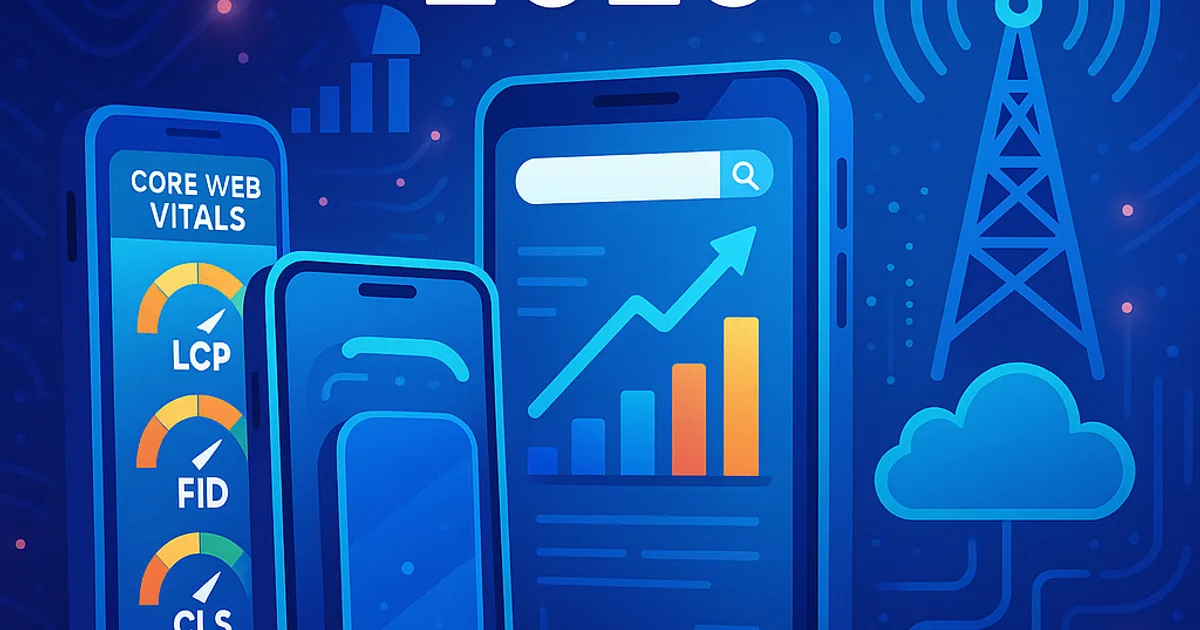
Why 2026 is pivotal for ecommerce SEO and performance
Today’s digital landscape demands that ecommerce and SEO teams stay ahead of the curve. With significant advancements in Core Web Vitals, image optimization, and HTTP/3, the stakes for web performance have never been higher. These trends are shaping how businesses must adapt to maintain competitive edges in search rankings and user experience.
Core Web Vitals: The evolving page experience signals
Core Web Vitals remain a critical focus for SEO in 2026, with ongoing emphasis on metrics like Largest Contentful Paint (LCP), Cumulative Layout Shift (CLS), and Interaction to Next Paint (INP). As Google continues to refine these metrics, understanding their impact on page experience is vital. Recent trends highlight the importance of optimizing these signals to enhance user engagement and retention [1].
What this means for your stack: Prioritize optimizing LCP, CLS, and INP to align with Google's evolving standards.
Image optimization: Leveraging WebP and AVIF
In 2026, image optimization is more critical than ever, with formats like WebP and AVIF gaining traction. These formats offer superior compression and quality, reducing load times and improving user experience. As more sites adopt these formats, staying competitive means integrating them into your image strategy [2].
What this means for your stack: Transition to WebP and AVIF formats to boost performance and maintain visual quality.
Debugging CLS for smoother experiences
Cumulative Layout Shift (CLS) remains a challenge for many websites. Effective debugging methods are trending as teams work to minimize unexpected layout shifts that disrupt user experience. Identifying and addressing the causes of CLS can significantly enhance the stability of your site’s visual content [3].
What this means for your stack: Implement robust CLS debugging tools to ensure a consistent and stable user interface.
Mobile-first indexing: A continued priority
Mobile-first indexing continues to dominate SEO strategies, reinforcing the need for mobile-optimized experiences. As Google prioritizes mobile-friendly sites in its rankings, ensuring your site is responsive and fast on mobile devices is non-negotiable [4].
What this means for your stack: Optimize your site for mobile-first indexing to secure better rankings and user satisfaction.
HTTP/3 and QUIC: Next-generation protocol benefits
The adoption of HTTP/3 and the QUIC protocol is reshaping web performance by improving speed and security. These technologies offer faster data transfer and reduced latency, crucial for delivering seamless user experiences, especially on mobile and high-traffic sites [5].
What this means for your stack: Consider upgrading to HTTP/3 to leverage its speed and security advantages.
CDN performance: Enhancing delivery efficiency
Content Delivery Networks (CDNs) are increasingly vital for optimizing site performance. By distributing content closer to users, CDNs reduce latency and improve load times. This is particularly important for global ecommerce sites seeking to maintain fast and reliable service across diverse regions [6].
What this means for your stack: Integrate a CDN into your infrastructure to enhance global content delivery and performance.
Sources
---
Authored by the ControlVitals Editorial Team — performance and SEO practitioners auditing real production sites every day.
Editorial transparency: this article was researched and drafted with AI assistance, then reviewed by our editorial team for factual accuracy before publication.