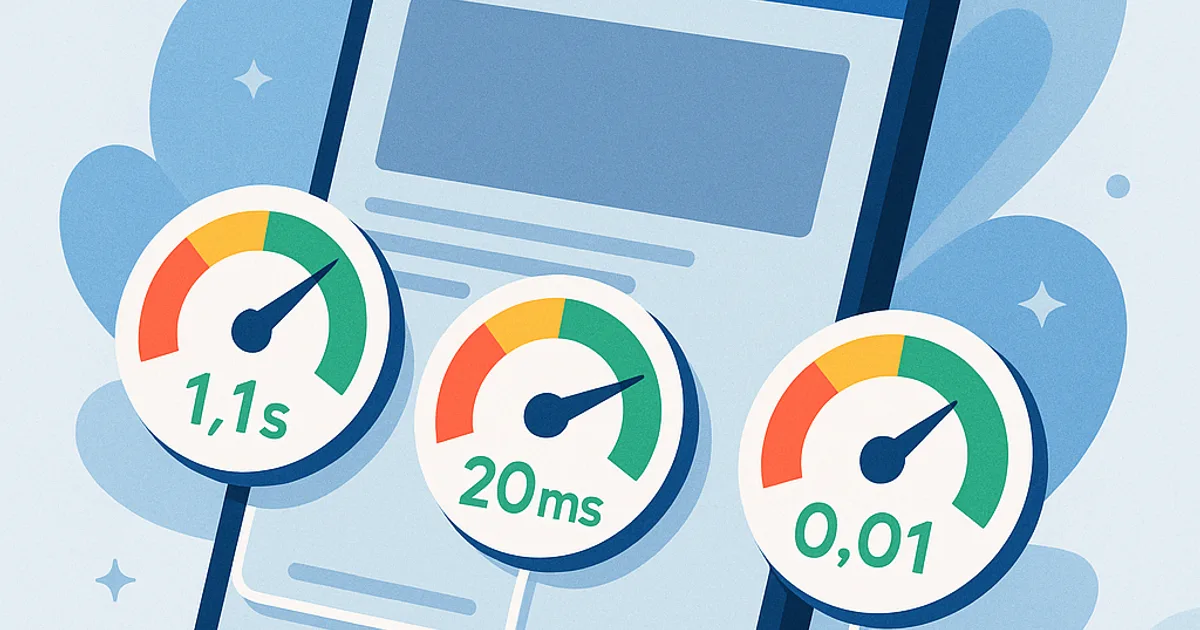
# Core Web Vitals Trends for 2026
In 2026, ecommerce SEO and web performance teams are navigating a dynamic landscape shaped by evolving Core Web Vitals, mobile-first indexing, and advanced optimization techniques. Today’s insights reveal crucial areas to focus on, ensuring your site remains competitive and user-friendly.
Mobile-first Indexing's Continued Impact
Mobile-first indexing remains a pivotal trend in SEO, reflecting Google's commitment to prioritizing mobile experiences. As more users access the web via mobile devices, ensuring that your site is fully optimized for smaller screens is essential. This involves responsive design, fast mobile load times, and ensuring that mobile versions of your pages are as comprehensive as their desktop counterparts.[1]
What this means for your stack: Prioritize mobile optimization, ensuring your site's mobile version is as robust as the desktop version.
Core Web Vitals Optimization
Core Web Vitals continue to be a critical focus for web performance, influencing both user experience and search rankings. Key metrics like Largest Contentful Paint (LCP), Cumulative Layout Shift (CLS), and Interaction to Next Paint (INP) should be closely monitored and optimized. Achieving scores within Google's thresholds is important for maintaining visibility and user satisfaction.[2]
What this means for your stack: Regularly audit your site's Core Web Vitals and implement improvements to meet Google's recommended thresholds.
CDN Performance Benefits
Content Delivery Networks (CDNs) are increasingly recognized for their role in enhancing website performance. By reducing latency and improving load times, CDNs help deliver content more efficiently to a global audience. This technical advantage can be beneficial for sites looking to improve their speed and reliability.[3]
What this means for your stack: Consider integrating a CDN to boost your site's performance and ensure faster content delivery.
JavaScript and Image Optimization
Optimizing JavaScript and images remains a crucial technical focus. Techniques such as code splitting, asynchronous loading, and using modern image formats like WebP and AVIF can enhance performance. These optimizations help reduce load times and improve user experience, directly impacting Core Web Vitals scores.[4][6]
What this means for your stack: Implement JavaScript optimization strategies and adopt modern image formats to enhance site performance.
Enhancing Security with Headers
Website security is a growing concern, with security headers playing a key role in protecting sites from various threats. Implementing headers like Content Security Policy (CSP) and HTTP Strict Transport Security (HSTS) can safeguard your site and instill user trust.[5]
What this means for your stack: Review and enhance your site's security headers to protect against vulnerabilities and build user confidence.
Sources
---
Authored by the ControlVitals Editorial Team — performance and SEO practitioners auditing real production sites every day.
Editorial transparency: this article was researched and drafted with AI assistance, then reviewed by our editorial team for factual accuracy before publication.