Core Web Vitals in 2026: Optimize for Impact
Today’s digital landscape demands that ecommerce SEO and web performance teams stay agile. With Google’s evolving focus on Core Web Vitals and mobile-first indexing, understanding the latest trends is crucial for maintaining a competitive edge. Here’s what’s trending and why it matters for your stack.
INP Optimization Strategies
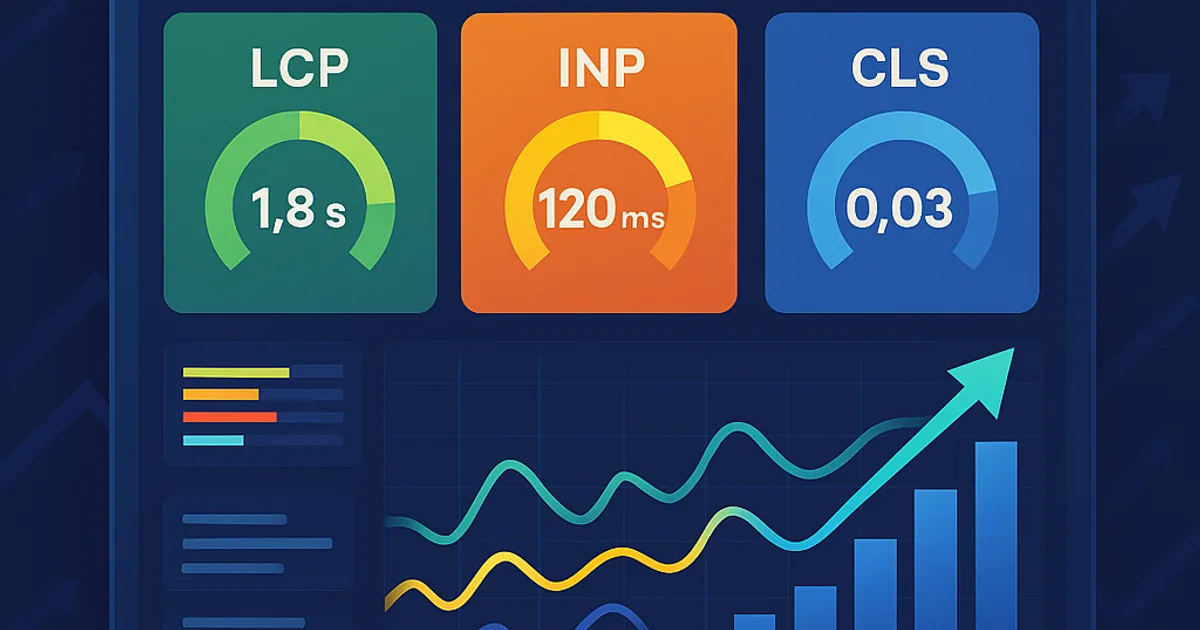
Interaction to Next Paint (INP) has become a focal point in web performance, reflecting user experience more accurately than previous metrics. As sites strive to meet the ideal threshold of INP ≤ 200 ms, exploring optimization strategies is crucial. Techniques such as reducing main-thread work and deferring non-critical scripts are gaining traction [1].
What this means for your stack: Prioritize script management and optimize your main-thread activities to enhance user interactions.
LCP Improvement Techniques
Largest Contentful Paint (LCP) remains a critical metric, with the goal of keeping it under 2.5 seconds. Strategies such as optimizing server response times and preloading key resources are essential. Additionally, leveraging modern image formats like WebP can help reduce LCP [3].
What this means for your stack: Focus on server optimizations and resource preloading to improve load times and user satisfaction.
Core Web Vitals Optimization
Core Web Vitals continue to be a cornerstone of SEO strategies. While LCP and INP are important, Cumulative Layout Shift (CLS) should not be overlooked. Ensuring CLS ≤ 0.1 by reserving space for images and ads helps maintain layout stability [4][6].
What this means for your stack: Regularly audit your site for layout shifts and optimize image loading practices.
Website Security Headers
Security headers are trending as a key aspect of web performance. Implementing headers like Content Security Policy (CSP) and HTTP Strict Transport Security (HSTS) not only enhance security but also improve user trust and potentially boost SEO [2].
What this means for your stack: Integrate security headers to protect user data and strengthen your site’s credibility.
Mobile-First Indexing
With mobile-first indexing fully implemented, ensuring that mobile versions of sites are optimized is more important than ever. This includes responsive design, fast loading times, and mobile-friendly navigation [5].
What this means for your stack: Audit your mobile site for performance and usability to align with Google’s indexing priorities.
Sources
---
Authored by the ControlVitals Editorial Team — performance and SEO practitioners auditing real production sites every day.
Editorial transparency: this article was researched and drafted with AI assistance, then reviewed by our editorial team for factual accuracy before publication.