Why 2026 Matters for SEO and Web Performance
As we step into October 2026, the landscape of SEO and web performance continues to evolve rapidly. Today's trends highlight crucial shifts in Core Web Vitals, security headers, and JavaScript optimization that ecommerce and web performance teams must address to stay competitive.
Core Web Vitals: LCP and CLS in Focus
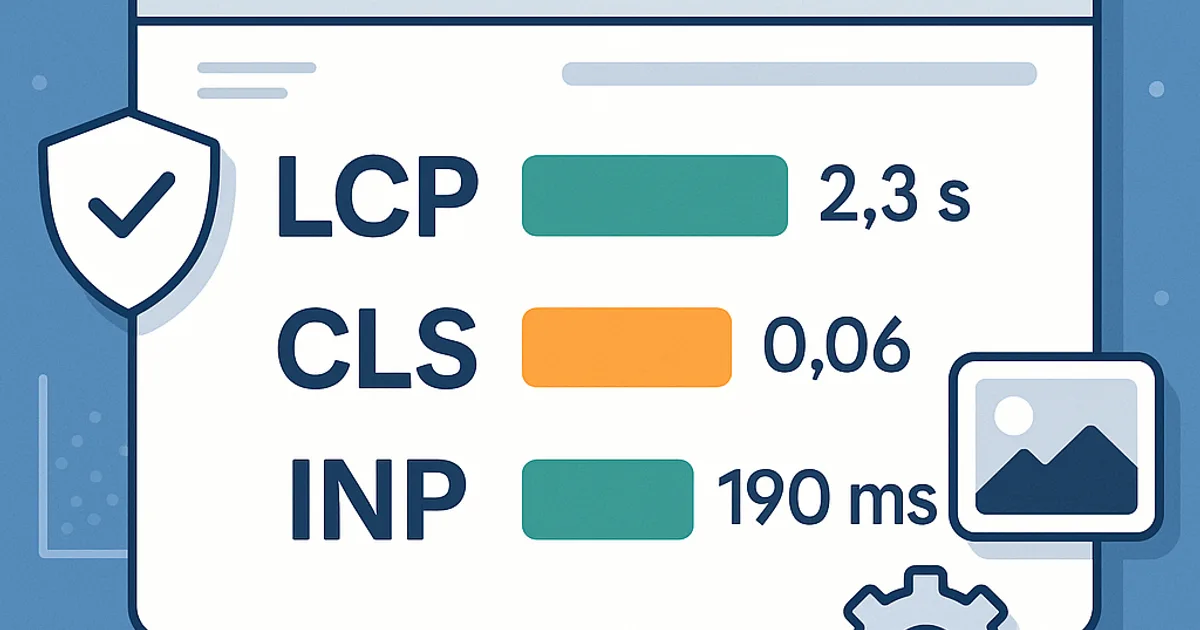
The importance of Core Web Vitals, particularly Largest Contentful Paint (LCP) and Cumulative Layout Shift (CLS), remains a top priority for SEO professionals. LCP measures how quickly the largest visible content element loads, with a good threshold being 2.5 seconds or less. CLS, on the other hand, evaluates visual stability, where a score of 0.1 or less is considered good [1]. Recent trends show increased interest in debugging CLS issues, as unexpected layout shifts can significantly impact user experience [2]. Techniques to improve LCP, such as optimizing server response times and resource loading, are also gaining traction [3].
What this means for your stack: Prioritize optimizing LCP and CLS to enhance user experience and SEO performance.
Enhancing Website Security with Headers
Security remains a critical component of web performance. Implementing security headers can protect websites from common vulnerabilities and improve trustworthiness. As highlighted in recent trends, security headers like Content Security Policy (CSP) and HTTP Strict Transport Security (HSTS) are essential in safeguarding user data and maintaining site integrity [4].
What this means for your stack: Ensure your website employs robust security headers to protect against potential threats.
JavaScript Performance Optimization
JavaScript continues to play a pivotal role in web performance. Optimizing JavaScript can reduce load times and improve interaction responsiveness, which is crucial for maintaining a good Interaction to Next Paint (INP) score. Techniques such as minimizing unused JavaScript, deferring non-critical scripts, and using modern syntax can significantly enhance performance [5].
What this means for your stack: Regularly audit and optimize your JavaScript to ensure efficient performance and quick user interactions.
Image Optimization: WebP and AVIF
Image optimization remains a key area for improving web performance. The use of modern image formats like WebP and AVIF can reduce file sizes without compromising quality, leading to faster load times and improved LCP scores [6]. These formats are increasingly supported across browsers, making them a viable option for web developers.
What this means for your stack: Transition to using WebP and AVIF formats to optimize images for faster loading times.
Sources
---
Authored by the ControlVitals Editorial Team — performance and SEO practitioners auditing real production sites every day.
Editorial transparency: this article was researched and drafted with AI assistance, then reviewed by our editorial team for factual accuracy before publication.