# Core Web Vitals in 2026: Key SEO Insights
In 2026, the landscape of web performance and SEO is evolving rapidly. With Core Web Vitals remaining a critical component, understanding the latest trends is essential for ecommerce and web performance teams. This digest explores the latest insights into Core Web Vitals, JavaScript optimization, and CDN performance, all of which are shaping the current digital environment.
Core Web Vitals and Page Experience Signals
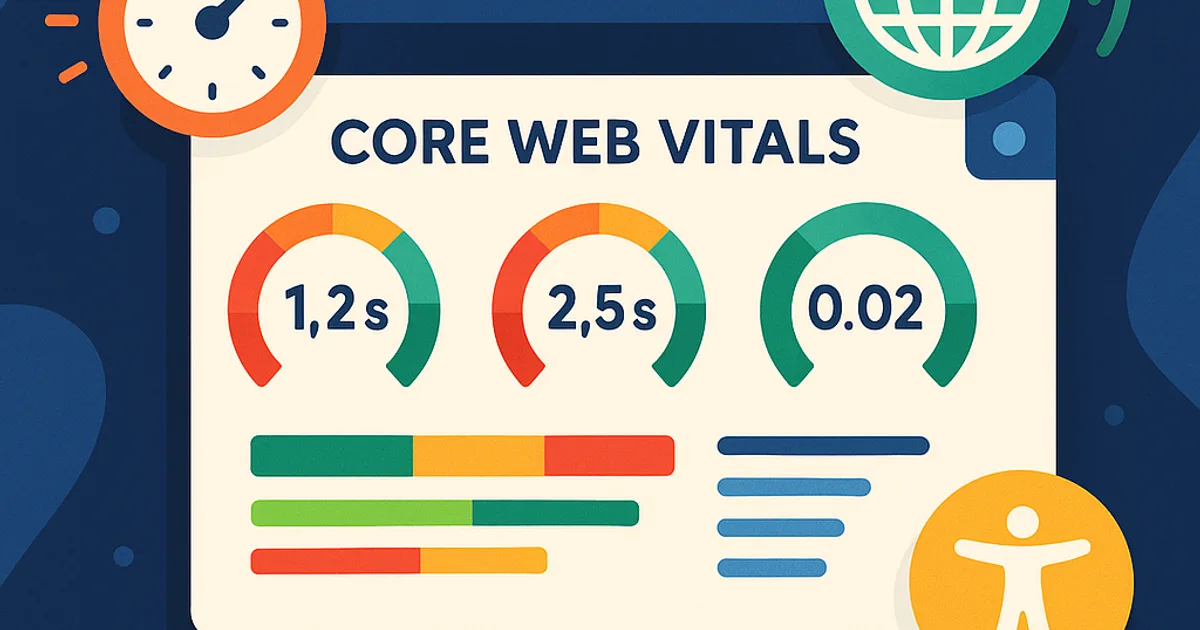
Core Web Vitals continue to be a focal point for web performance, emphasizing metrics like Largest Contentful Paint (LCP), Cumulative Layout Shift (CLS), and Interaction to Next Paint (INP). These metrics are crucial in determining a site's ranking and user experience. Page Experience signals, which include Core Web Vitals, are trending as a significant SEO factor, influencing how sites are ranked on Google [1][3][6].
In practice, optimizing these metrics involves reducing server response times, optimizing images, and ensuring that content is visually stable. Many sites are adopting techniques such as lazy loading and preloading key resources to improve their Core Web Vitals scores.
What this means for your stack: Focus on optimizing LCP, CLS, and INP to improve both user experience and SEO performance.
JavaScript Performance Optimization
JavaScript remains a double-edged sword in web development. While it enables rich interactivity, excessive or unoptimized JavaScript can severely impact page performance. The current trend emphasizes minimizing JavaScript payloads and utilizing modern techniques like tree shaking and code splitting [4].
From real-world audits, reducing JavaScript execution times can enhance INP, leading to a smoother user experience. Tools like Google's Lighthouse and WebPageTest are invaluable for identifying JavaScript bottlenecks and opportunities for optimization.
What this means for your stack: Audit and streamline your JavaScript to enhance performance and improve INP scores.
The Role of CDNs in Performance Enhancement
Content Delivery Networks (CDNs) are increasingly recognized for their role in enhancing web performance. By distributing content closer to users, CDNs reduce latency and improve Time to First Byte (TTFB), a critical metric for Core Web Vitals [5].
Integrating a CDN can lead to improvements in page load times and overall site responsiveness. This is particularly beneficial for global ecommerce platforms where users are distributed across various regions.
What this means for your stack: Leverage CDNs to improve TTFB and deliver faster, more reliable experiences to users worldwide.
Emphasizing Web Accessibility
Web accessibility, guided by the Web Content Accessibility Guidelines (WCAG), is not just a compliance issue but a performance consideration as well. Ensuring that sites are accessible can lead to better user experiences and improved SEO outcomes [2].
Accessibility audits often reveal issues that, when addressed, can also enhance site performance, such as reducing unnecessary DOM elements and ensuring keyboard navigability.
What this means for your stack: Prioritize accessibility audits to improve both compliance and user experience.
Sources
---
Authored by the ControlVitals Editorial Team — performance and SEO practitioners auditing real production sites every day.
Editorial transparency: this article was researched and drafted with AI assistance, then reviewed by our editorial team for factual accuracy before publication.