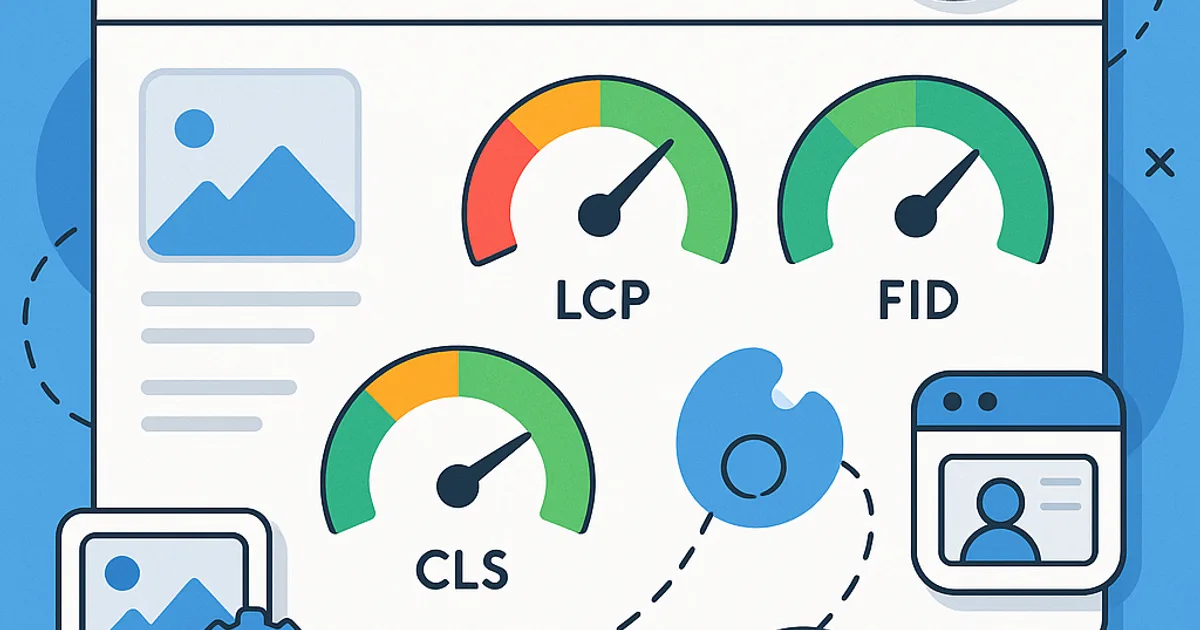
Why Core Web Vitals matter today
In 2026, the landscape of web performance and SEO is rapidly evolving, with a strong focus on Core Web Vitals. As ecommerce platforms strive to enhance user experience and maintain competitive rankings, understanding these metrics is crucial. Recent trends highlight the importance of image optimization, JavaScript performance, and debugging methods for Cumulative Layout Shift (CLS) [1][2][3][4].
Image optimization: WebP and AVIF
Image optimization continues to be a critical component of web performance. The use of modern formats like WebP and AVIF is gaining traction, offering improvements in load times and visual quality [1]. These formats reduce file sizes without sacrificing quality, directly impacting Largest Contentful Paint (LCP), a key Core Web Vitals metric. Implementing these formats can lead to faster load times and improved user satisfaction.
What this means for your stack: Prioritize converting images to WebP or AVIF to enhance LCP and overall site performance.
JavaScript performance optimization
JavaScript remains a double-edged sword in web performance. While it enables rich interactivity, excessive or poorly optimized scripts can hinder performance. Current trends emphasize the need to streamline JavaScript execution to improve metrics like Interaction to Next Paint (INP) [2]. Techniques such as code splitting, lazy loading, and minimizing third-party scripts are essential strategies to consider.
What this means for your stack: Audit and optimize JavaScript to reduce execution time and improve INP.
Page Experience signals and SEO
Page Experience signals, including Core Web Vitals, are increasingly influential in SEO strategies. These metrics provide insights into how users perceive the performance of a web page, directly affecting search rankings [3]. As Google continues to refine these signals, staying updated and compliant is vital for maintaining visibility in search results.
What this means for your stack: Continuously monitor and optimize Page Experience signals to align with evolving SEO requirements.
Debugging CLS: Methods and tools
Cumulative Layout Shift (CLS) remains a challenging metric for many developers. Recent discussions focus on effective debugging methods to identify and rectify layout shifts [4][6]. Tools such as Chrome DevTools and Lighthouse offer insights into the sources of CLS, allowing for targeted optimizations.
What this means for your stack: Utilize debugging tools to pinpoint and resolve CLS issues, ensuring a stable visual layout.
Core Web Vitals optimization strategies
Optimizing Core Web Vitals involves a holistic approach, integrating image optimization, JavaScript performance, and layout stability. As these metrics evolve, staying informed about best practices and emerging trends is crucial for web performance success [5].
What this means for your stack: Regularly review and implement optimization strategies to keep up with Core Web Vitals standards.
Sources
---
Authored by the ControlVitals Editorial Team — performance and SEO practitioners auditing real production sites every day.
Editorial transparency: this article was researched and drafted with AI assistance, then reviewed by our editorial team for factual accuracy before publication.