Core Web Vitals Shifts Impacting SEO in 2026
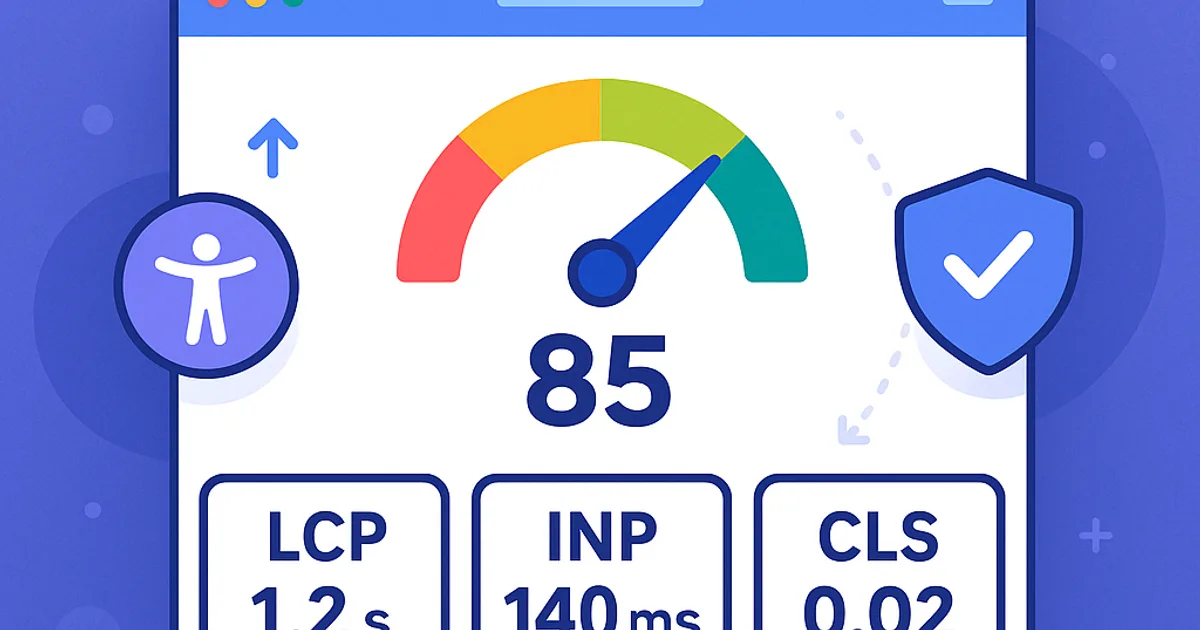
In 2026, staying competitive in ecommerce SEO and web performance requires a keen understanding of the latest Core Web Vitals trends. Today's insights focus on optimizing LCP, INP, and CLS, alongside crucial updates in web accessibility and security.
LCP Improvement Techniques
Largest Contentful Paint (LCP) remains a critical metric for user experience, with Google Trends highlighting a surge in interest around its optimization. Techniques such as server-side rendering and efficient image delivery are gaining traction. These methods help reduce LCP times, contributing to faster page loads and improved user satisfaction [1].
What this means for your stack: Prioritize server-side optimizations and image management to enhance LCP performance.
INP Optimization Strategies
Interaction to Next Paint (INP) is another key focus, with strategies emerging to minimize delays in user interactions. Trends suggest that reducing JavaScript execution times and optimizing event handlers are effective ways to improve INP scores. This ensures a smoother user experience, particularly on interactive sites [2].
What this means for your stack: Evaluate and streamline JavaScript execution to boost INP metrics.
CLS Debugging Methods
Cumulative Layout Shift (CLS) continues to challenge web developers, especially on dynamic sites. New debugging methods emphasize the importance of setting explicit dimensions for all media and using CSS transform properties to avoid unexpected shifts. Proper implementation can significantly enhance visual stability [5].
What this means for your stack: Implement precise media dimensions and CSS transforms to stabilize page layouts.
Web Accessibility and WCAG Compliance
Web accessibility is increasingly intertwined with performance metrics, as evidenced by heightened interest in WCAG guidelines. Ensuring compliance not only broadens audience reach but also aligns with performance goals by promoting cleaner, more efficient code [3][6].
What this means for your stack: Integrate WCAG compliance checks into your development workflow for a dual benefit of accessibility and performance.
Website Security Headers
Security remains a top priority, with trends indicating a focus on implementing robust security headers. These headers protect against common vulnerabilities, thus maintaining user trust and safeguarding SEO efforts [4].
What this means for your stack: Regularly audit your security headers to protect your site and enhance user trust.
Sources
---
Authored by the ControlVitals Editorial Team — performance and SEO practitioners auditing real production sites every day.
Editorial transparency: this article was researched and drafted with AI assistance, then reviewed by our editorial team for factual accuracy before publication.